Sustainable Fashion Choices: Building a Wardrobe with Purpose and Environmental Consciousness
Fashion industry environmental and social impacts have become impossible to ignore as consumers grow increasingly aware of the human and planetary costs behind clothing production. Yet sustainable fashion needn’t mean sacrificing style or settling for limited selections. Building wardrobes aligned with environmental and ethical values represents a growing movement enabling style-conscious individuals to express identity while respecting people and planet. Understanding the lifecycle of clothing, recognizing impact of consumption patterns, and making intentional choices transforms shopping from unconscious consumption into purposeful practice supporting values. Sustainable fashion isn’t sacrifice, it’s evolution toward smarter, more meaningful consumption benefiting both personal satisfaction and global wellbeing.
Understanding Fashion Industry Impacts
Textile production consumes enormous quantities of water, chemicals, and energy while generating substantial pollution and waste. Fast fashion culture encouraging constant purchasing and disposal accelerates environmental destruction. Labor practices in garment manufacturing often exploit workers in developing nations. Synthetic materials shed microplastics harming aquatic ecosystems. Understanding these impacts creates foundation for conscious purchasing decisions. Informed consumers making values-aligned choices drive systemic change through purchasing power, gradually transforming industry practices toward sustainability. Your shopping choices directly impact environmental and social outcomes across global supply chains.
Quality Over Quantity: The Longevity Principle
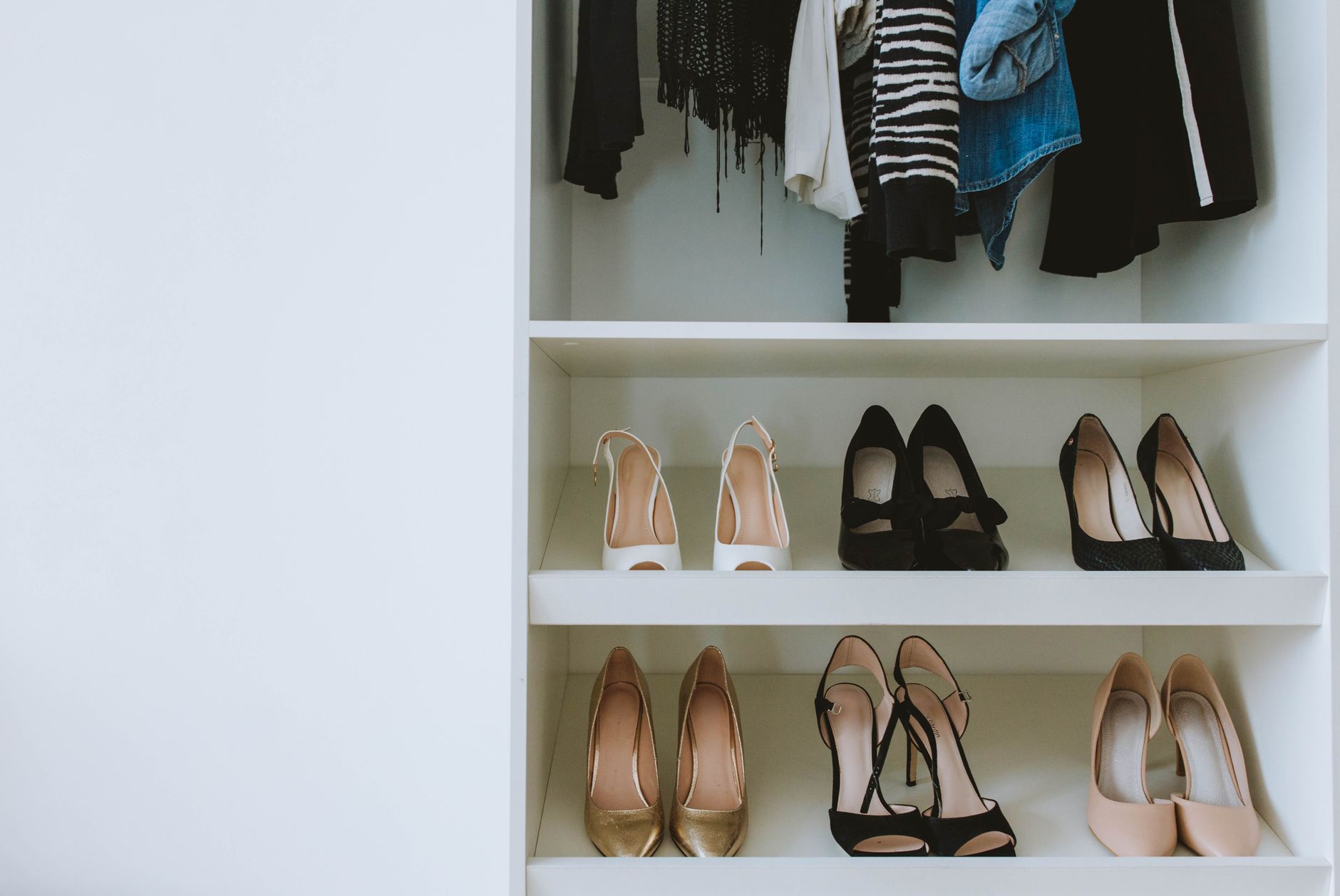
The single most effective sustainability practice is purchasing fewer, higher-quality items lasting years rather than seasons. Well-made garments resist wear, maintain appearance, and remain wearable indefinitely. Fast fashion items deteriorate quickly, requiring frequent replacement and generating waste. Investing in quality basics and carefully selected pieces reduces overall consumption while improving satisfaction. Choosing durability and quality reduces environmental impact while providing better long-term value, aligning personal economics with environmental responsibility. This approach ultimately saves money despite higher per-item costs through reduced replacement frequency.
Ethical Sourcing and Fair Trade
Supporting brands prioritizing ethical labor practices and fair compensation ensures workers receive dignity and livable wages. Certifications including Fair Trade and B Corp indicate commitment to social responsibility beyond profit maximization. Research brands’ sourcing practices before purchasing, supporting companies treating supply chains as communities rather than mere cost centers. Supporting ethical brands rewards responsible business practices while supporting workers worldwide, using purchasing power to incentivize positive change. Transparency about sourcing and labor practices indicates genuine commitment rather than superficial greenwashing.
Sustainable Materials and Fibers
Natural fibers including organic cotton, linen, and wool minimize synthetic chemical use while remaining biodegradable. Innovative materials including recycled polyester, mushroom leather, and lab-grown alternatives reduce environmental footprint. Avoiding heavily processed synthetics prevents microplastic pollution. Understanding fiber types enables making informed choices supporting sustainability. Prioritizing sustainable materials reduces chemical pollution and microplastic generation throughout product lifecycles. Material selection represents one of most consequential sustainability decisions in fashion consumption.
Circular Fashion and Secondhand Shopping
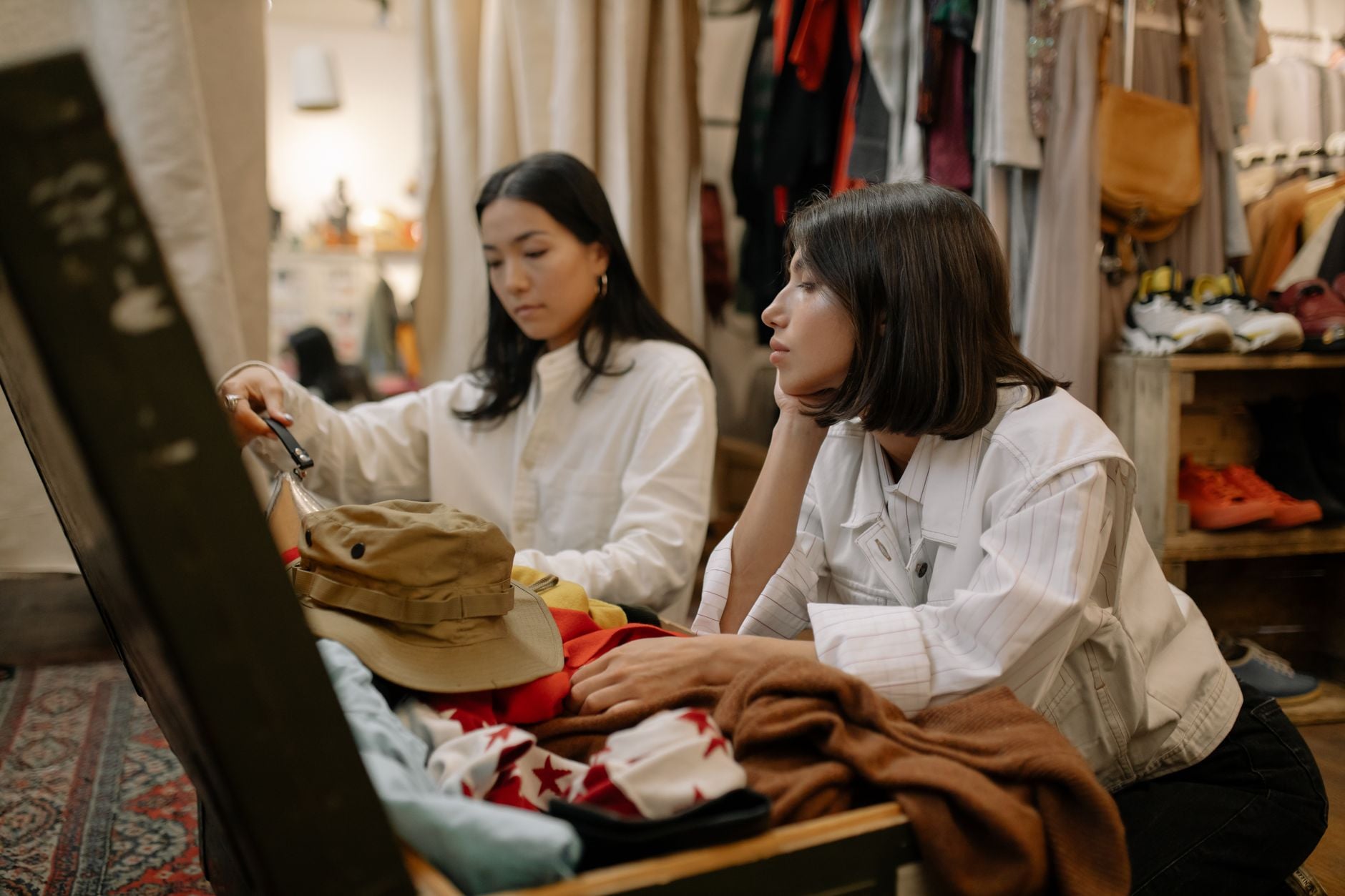
Purchasing secondhand extends garment lifecycles, preventing disposal and reducing demand for new production. Thrift stores, consignment shops, and online resale platforms offer quality selections at reduced prices while supporting sustainability. Selling or donating unworn items extends their useful life with other consumers. Clothing swaps enable refreshing wardrobes without purchasing new items. Circular fashion practices extend garment lifecycles while providing access to diverse styles affordably. Secondhand shopping requires slightly more patience and searching but yields environmental benefits and financial savings.
Care and Maintenance Extending Garment Life
Proper care practices dramatically extend garment lifespans, reducing replacement frequency and environmental impact. Gentle washing, appropriate drying, and prompt stain removal prevent unnecessary damage. Regular repairs addressing small issues prevent garment abandonment. Understanding fabric-specific care enables maintaining appearance and integrity indefinitely. Investment in garment care demonstrates valuing purchases and extending relationships with beloved items. Thoughtful garment maintenance extends product lifecycles and deepens appreciation for quality pieces. Treating clothing with care transforms relationship from disposable consumption to lasting stewardship.
Capsule Wardrobes and Intentional Consumption
Building capsule wardrobes around carefully selected basics and complement pieces reduces overall quantity while maximizing outfit combinations. Intentional curation eliminates impulsive purchases and unused items cluttering closets. Wardrobe planning prevents purchases conflicting with existing items. Capsule approaches naturally reduce consumption while improving satisfaction through coherent, functional wardrobes. This methodology aligns perfectly with sustainability values, creating efficiency through intentionality.
Supporting Sustainable Brands and Values Alignment
Actively supporting brands demonstrating genuine commitment to sustainability rewards responsible practices. Research company values, certifications, and transparency before purchasing. Choose brands whose ethics and aesthetics align with your values. Supporting smaller, ethical brands often provides better impact than boycotting problematic corporations. Vote with your wallet for the fashion industry you want to see.
Building Your Sustainable Wardrobe
Transitioning to sustainable fashion needn’t involve replacing entire wardrobes overnight. Instead, gradually introduce sustainable choices into existing routines. Prioritize high-impact items like basic tees and jeans for quality purchases. Explore secondhand shopping for items lacking in sustainability. Research brands aligning with your values. Support transparency and ethical practices. Build wardrobes intentionally reflecting values alongside aesthetic preferences.
The Power of Conscious Consumption
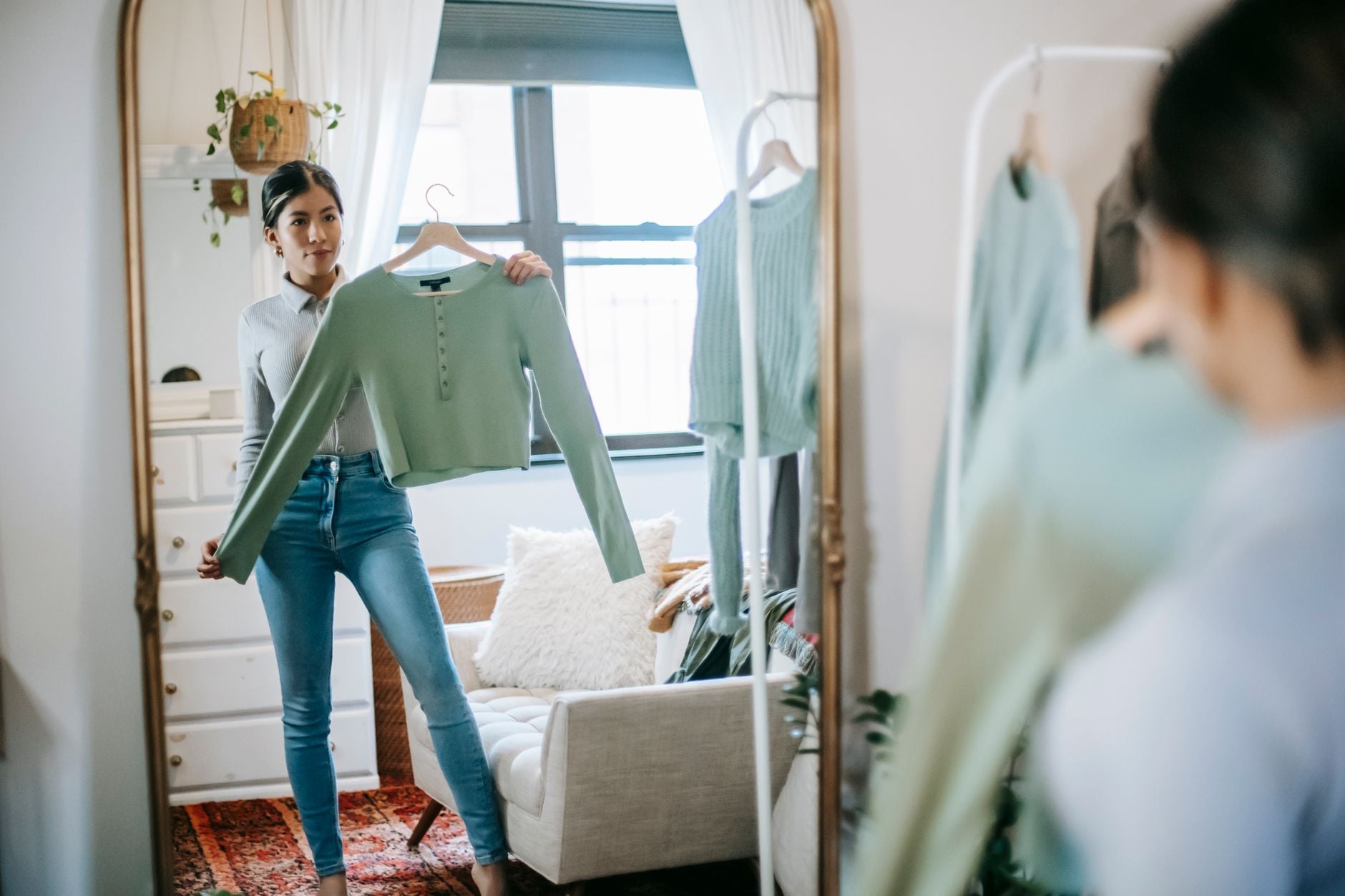
Individual choices compound into systemic change as more consumers demand sustainability. Brands respond to customer preferences, gradually shifting production toward ethical and environmental practices. Your purchasing decisions directly fund business models either supporting or harming workers and planet. Sustainable fashion choices represent meaningful participation in creating better industry practices and global futures.
Sustainable fashion is not sacrifice, it is conscious choice expressing values through everyday decisions.