The Art of Personal Styling: Developing Your Authentic Fashion Identity and Confidence
Fashion represents the most accessible form of self-expression available to everyone, yet many people treat clothing selection as a burden rather than an opportunity for creativity. Developing personal style requires moving beyond trend chasing or copying fashion influencers to discover authentic preferences reflecting genuine identity. The most stylish people aren’t necessarily those following highest-priced brands, but those demonstrating clear aesthetic vision and confidence in their choices. Understanding how to develop personal style transforms clothing from a source of stress into genuine pleasure and self-expression. This journey requires patience, experimentation, and willingness to learn from mistakes, but the result is a wardrobe and appearance authentically reflecting who you are.
Understanding Your Personal Style Identity
Authentic personal style begins with understanding yourself, your values, and how you want to move through the world. Consider which people you admire stylistically, what attracts you in their presentations. Notice colors, silhouettes, and aesthetics consistently appearing in your preferences. Do you gravitate toward minimalism, bohemian expression, classic elegance, or bold statement-making? Understanding these patterns reveals underlying aesthetic preferences. Developing signature style involves discovering consistent preferences rather than following external trends, building authentic expression rather than imitation. Take time reflecting on your style identity before making significant wardrobe investments.
Body Understanding and Flattering Silhouettes
Personal style requires understanding your body and which silhouettes genuinely flatter your frame. Different shapes work with different cuts, proportions, and details. Spending time trying different fits reveals which styles make you feel confident and comfortable. Professional styling advice helps identify flattering silhouettes, but ultimately you understand your body best through experimentation. Flattery isn’t about hiding aspects, but emphasizing what makes you feel powerful and beautiful. Well-fitting clothing that flatters creates confidence transcending superficial trends, transforming how you feel in your appearance.
Color Theory and Personal Coloring
Color profiling identifies which hues complement your natural coloring, enhancing rather than competing with your appearance. Understanding warm versus cool undertones, saturation levels, and brightness guides color selection dramatically improving visual harmony. Wearing flattering colors increases confidence and photographs better. Neutral colors forming your palette create harmony across your wardrobe, enabling coordinated outfits. Accent colors add interest while remaining cohesive. Strategic color selection transforms how you feel in clothing, improving appearance through alignment with natural coloring rather than trendy colors potentially conflicting with your undertones.
Building Confidence Through Style Experimentation
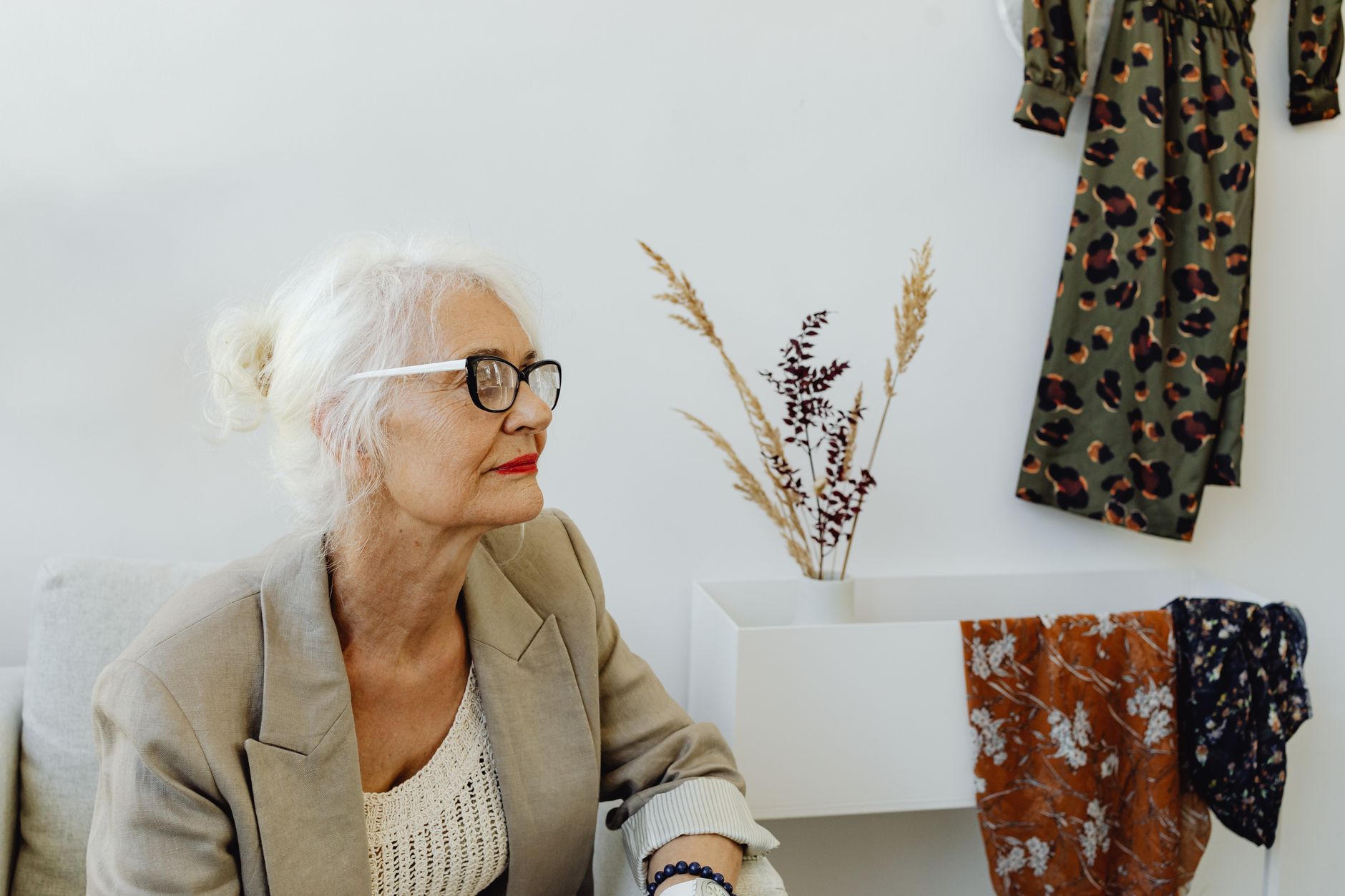
Authentic style develops through experimentation, sometimes trying approaches that don’t work, learning valuable lessons from failures. Permission to experiment without judgment enables discovery. Thrift stores and rental services enable testing aesthetics affordably before committing financially. Taking photos of outfits helps analyze what works visually and through your eyes. Gradually, patterns emerge revealing authentic preferences. Confidence builds through successes and learning from experiments, creating genuine understanding of what works rather than following prescribed rules.
Fashion Rules and Knowing When to Break Them
Traditional fashion rules including color combinations, pattern mixing, and proportion guidelines provide useful foundations, but authentic style involves understanding rules well enough to break them intentionally. The most interesting style expressions involve thoughtful rule-breaking creating cohesive, confident looks. Learning rules first enables making deliberate choices rather than accidental mistakes. Breaking rules confidently requires understanding why rules exist and why your approach works despite violating them. Authentic style development requires understanding conventions to decide intentionally which to follow and which to challenge.
Shopping Strategically for Personal Style
Building wardrobes supporting personal style requires strategic shopping aligned with your aesthetic and lifestyle. Impulsive purchases of trend items create closets full of unworn pieces. Instead, purchase basics supporting your style foundation and carefully selected accent pieces enhancing your signature aesthetic. Shopping deliberately for quality over quantity creates functional, cohesive wardrobes. Understanding your style prevents wasted spending on trendy pieces conflicting with your aesthetic. Strategic shopping aligned with personal style maximizes wardrobe utility while preventing impulse purchases resulting in buyer’s remorse.
Accessorizing as Personal Expression
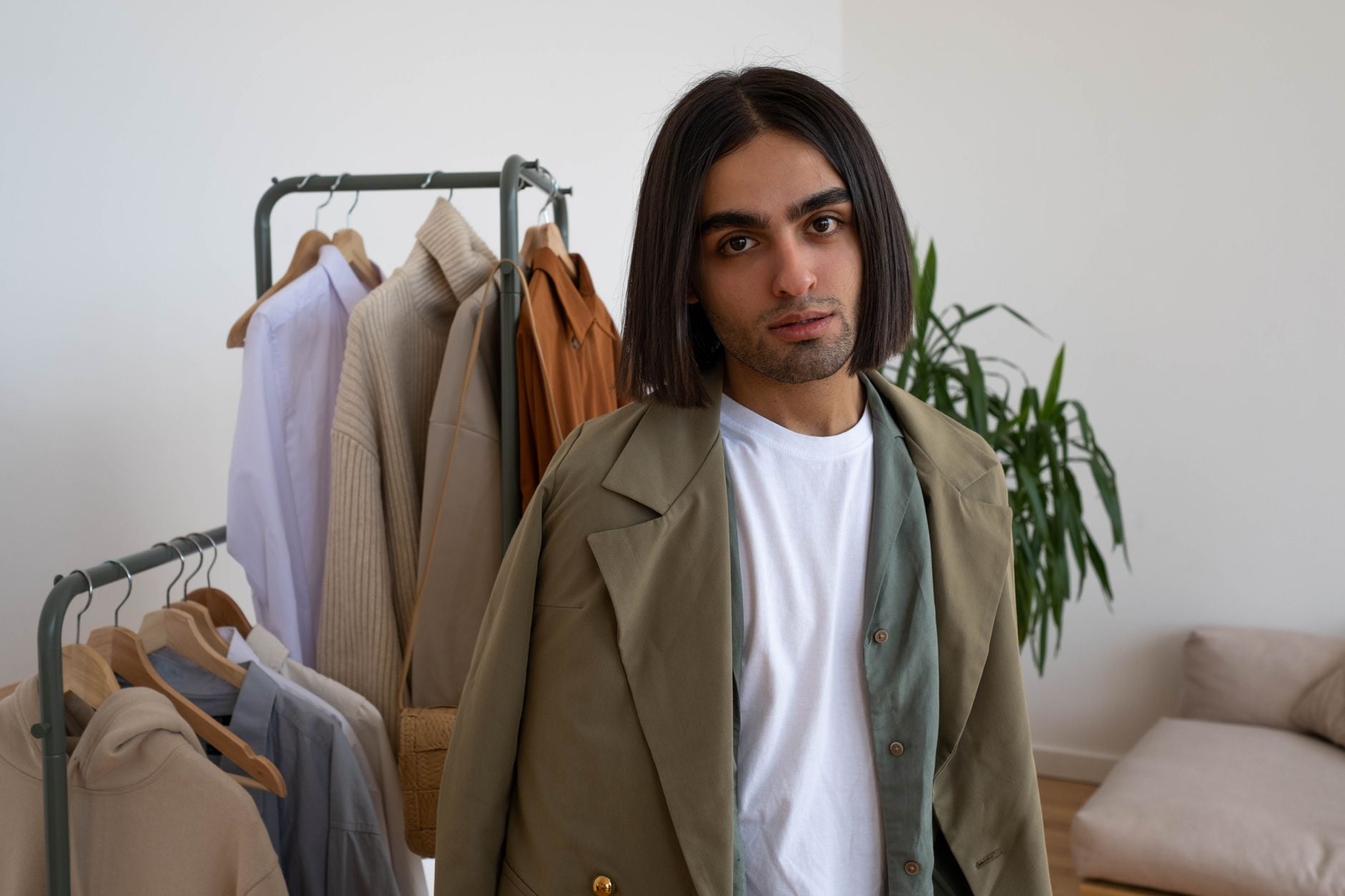
Accessories provide opportunities for personal expression without requiring full outfit investment. Creative accessorizing transforms basic outfits into distinctive looks reflecting personality. Scarves, jewelry, bags, and shoes enable daily style variation from consistent baseline clothing. Accessorizing skills enable expanding visual outfit diversity from limited basic pieces. Accessories reveal personality and style intentionality when chosen thoughtfully. Simple clothing becomes powerful through careful accessorizing demonstrating genuine style understanding.
Fashion Inspiration Without Losing Authenticity
Gathering inspiration from fashion media, influencers, and style icons informs personal development without creating dependency on external validation. Inspiration becomes problematic when creating aspirational personas instead of authentic expression. Analyzing what you love about inspiration prevents imitation, instead identifying principles applicable to your aesthetic. Using inspiration as learning tools rather than blueprints develops authentic style informed by multiple perspectives. The goal is integration, not replication.
Building Sustainable Style Habits
Personal style develops through consistent practice and reflection. Regularly wearing and evaluating outfits builds understanding of what genuinely works. Journaling style observations identifies patterns and learnings. Gradually, style decisions become automatic rather than requiring conscious deliberation. Building sustainable style habits transforms appearance from daily stress into genuine pleasure supporting confidence and self-expression.
Your Personal Style Journey
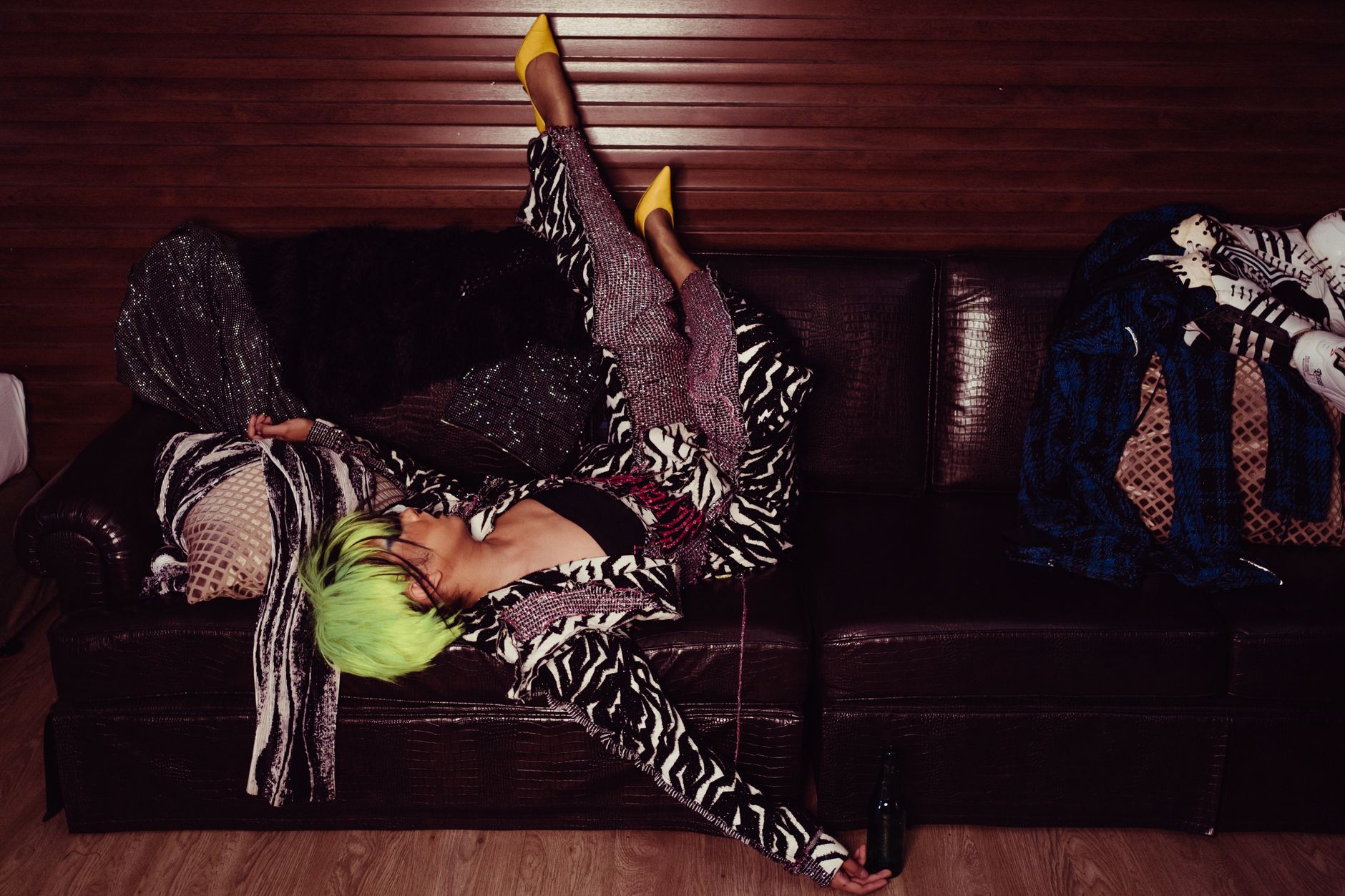
Developing authentic personal style requires patience, experimentation, and self-knowledge. Start by observing your preferences without judgment. Experiment with different styles, analyzing what genuinely resonates. Build your foundation around flattering colors and silhouettes supporting your body and identity. Gradually refine your aesthetic through experience and learning. Remember that personal style evolves as you grow and change, remaining a living expression of your identity rather than a fixed destination.
True style transcends trends, expressing authentic identity with confidence and intention.