All in One Paint: The Single-Coat Solution You’ve Been Waiting For
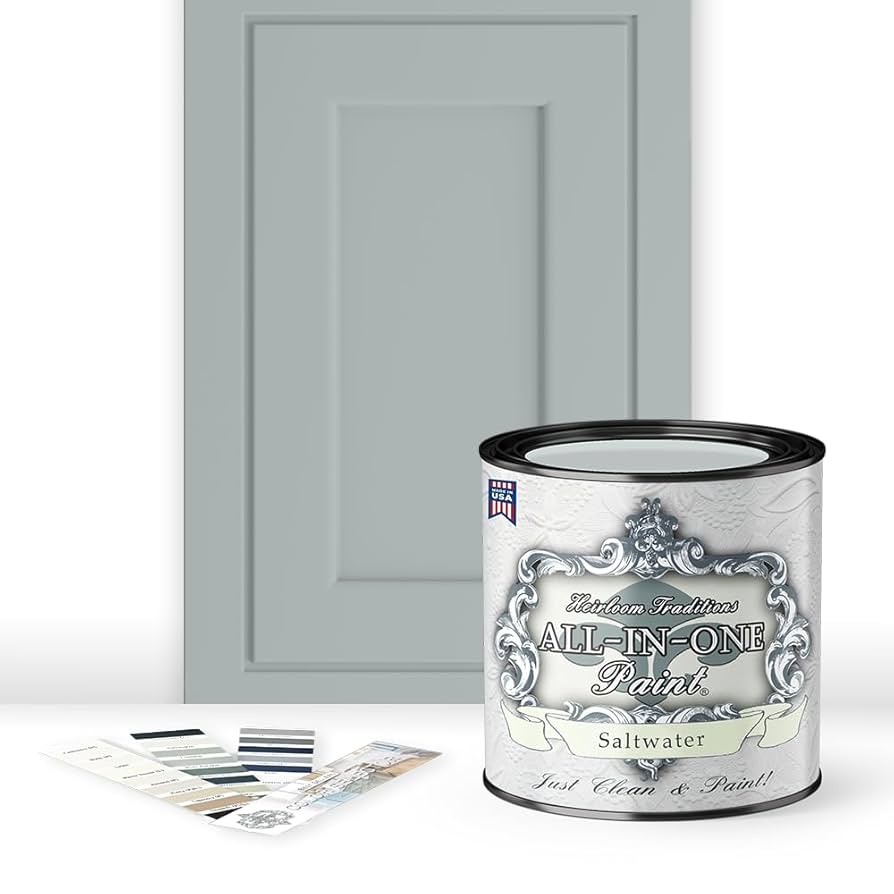
Every painter knows the hassle: primer, paint, topcoat, sanding, waiting… the process drags on and on. All in One Paint seeks to simplify that. They offer products that combine primer, paint, and topcoat in one formula—intended to cut down on labor, coatings, and mess. Whether you’re refreshing cabinets, furniture, doors, or trim, the idea is you do less prep and still get a durable finish.
Let’s explore how they present themselves, what real users say, how to choose and use All in One Paint wisely, and whether it lives up to its promise.
TL;DR
- What it is: All in One Paint is a multi-step paint system that integrates primer, color, and topcoat into one formula, marketed for cabinets, furniture, doors, and more.
- What makes it special: Less prep (no primer or sanding in many cases), strong coverage, built-in topcoat, and good finishes.
- Best for: DIYers, upcyclers, homeowners wanting to refresh interior surfaces without a full paint overhaul.
- Key tip: Always test on a small area first, and ensure proper surface deglossing or cleaning to enhance adhesion.

Why All in One Paint Exists
Traditional painting often requires multiple steps:
- Clean and prep
- Prime raw surfaces
- Apply base paint
- Apply topcoat or sealer
That’s four steps. All in One Paint aims to collapse those into one or two steps by embedding primer and finishing properties directly into the paint. This saves time, reduces material costs (you don’t have to buy separate primer & sealer), and simplifies the project for non-professionals.
In reviews and guides, all-in-one paint is often praised for being “convenient, versatile, and effective—if used properly.”

Key Features & What to Expect
Surfaces & Use Cases
Depending on the formula, All in One Paint can often be applied to:
- Wood
- Metal
- Laminate or melamine
- Trim, baseboards, doors
- Furniture, cabinets
- Even smooth plastic or vinyl (with the right prep)
The brand’s Testimonials page includes user stories painting doors, benches, furniture, and hardware with minimal prep.
Finish & Durability
Expect a hard, durable finish because the paint is designed to act both as color and sealer. Reviews note low-VOC varieties, smooth finishes, and resistance to wear.
Ease of Use
One of the main selling points is no sanding or priming required in many cases—especially on previously painted, non-glossy surfaces. Many users report how a 32-ounce can covered more surface than expected, given the built-in primer and topcoat.
However, some warning signs appear in user reviews — color may vary slightly, coverage might require multiple coats in dark-to-light transitions, and in certain cases durability may lag in high-traffic or exterior usage.

What Customers Are Saying
From Walmart reviews of “ALL-IN-ONE Paint, Durable cabinet and furniture paint (built-in primer and top coat)”:
- Positive feedback: Many users say one small can can paint vanities or kitchen cabinets with excellent coverage and smooth finish — “goes on so smooth… best coverage ever.”
- Areas of concern: Some customers feel the “all in one” claim is overstated for certain surfaces, or that extra coats are needed. “Very disappointed — doesn’t cover even after prepping.”
From the brand’s own testimonials page:
- Users describe painting doors and furniture with minimal sanding, mixing colors, using topcoats, and achieving pleasing transformations.
Taken together, these voices suggest All in One Paint performs very well in many DIY settings, with occasional variation depending on surface, color contrast, or prep conditions.

Choosing & Using All in One Paint Wisely
- Assess your surface condition
If it’s high-gloss, extremely slick, or heavily worn, you’ll likely need light sanding, deglossing, or primer first. - Match color transitions carefully
Dark-to-light transitions might require extra coats or layering. - Apply thin, even coats
Because the formula is thicker (to act as primer + paint + topcoat), thin coats help reduce drips or unevenness. - Allow proper dry & cure times
Let the finish fully cure as per instructions before heavy use (especially for furniture or cabinets). - Use proper tools
High-quality brushes or foam rollers help deliver smooth finishes without brush marks. - Test first
Always test on a small, inconspicuous area to check adhesion, color match, and finish before tackling entire surfaces.

Bottom Line
All in One Paint offers a compelling value proposition: less prep, fewer products, and fast, clean results. For many DIYers tackling furniture, cabinets, or interior trim, it can save time and reduce complexity. While it doesn’t eliminate all painting challenges (prep still matters, and surfaces vary), when used smartly it delivers impressive finishes.
All in One Paint — one can, many possibilities, simpler transformations.
FAQs
Q: What does “all in one” mean in this paint?
A: It means the paint includes primer, color, and a topcoat or sealant in one formula to reduce the need for separate steps.
Q: Do I always skip primer or sanding?
A: Not always. On rough, glossy, or bare surfaces, light prep (deglossing, cleaning, light sanding) can still improve adhesion and outcome.
Q: Can it be used outdoors?
A: That depends on the specific formula—some all-in-one paints are formulated for interior use, while others may resist outdoor conditions. Always check product specs.
Q: How many coats are needed?
A: In many cases, one or two coats suffice—especially on similar-color surfaces. Complex transitions or dark-to-light jobs may require additional coats.
Q: How durable is the finish?
A: Many users report long-lasting performance for cabinets, furniture, trim. But like all finishes, high-traffic areas may show wear over time.
Q: Is All in One Paint a valid, trustworthy brand?
A: According to a scam-detector check, allinonepaint.com receives a trust score of 77.7/100—“Known. Standard. Fair.” It signals a moderate level of caution: the site is not flagged as high risk, but users should verify details like warranty, shipping, and customer support before purchase.